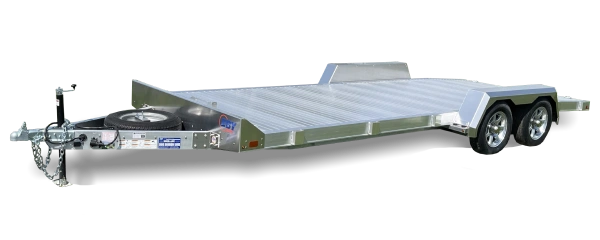
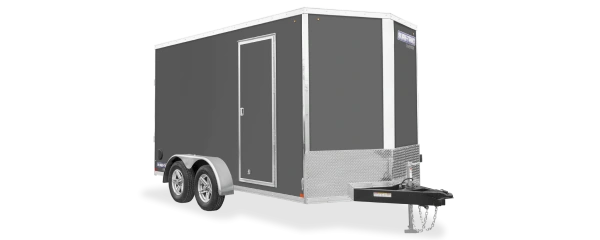
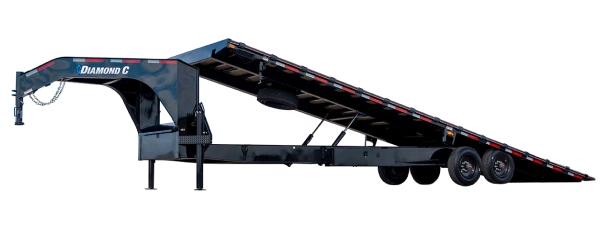
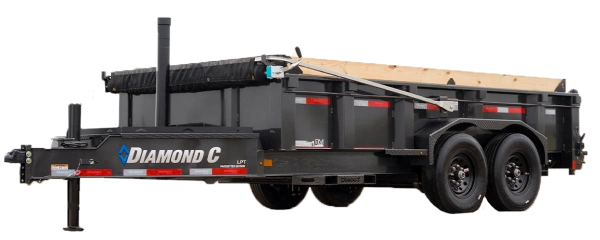
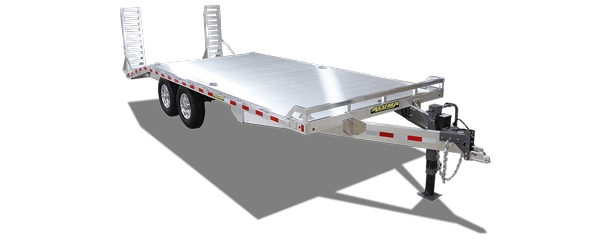
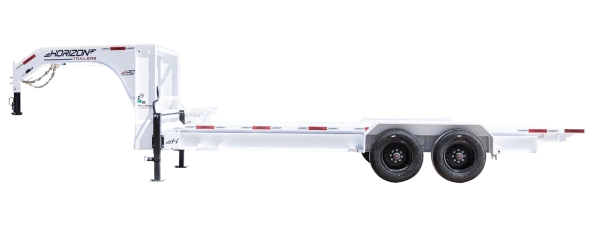
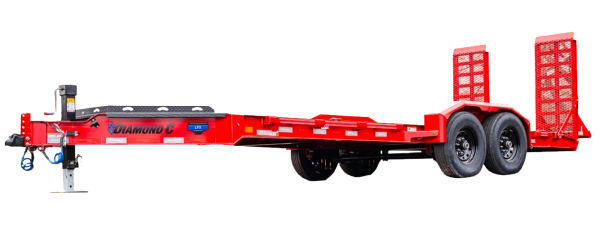
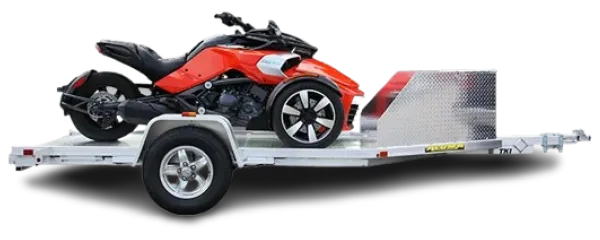








Electric brakes are the most commonly used brake package with trailers, unless it is a boat trailer or watercraft hauling trailer, which mainly come with surge brakes because electric brakes can short out if the trailer is backed into the water. A trailer with electric brakes that will be used to back a watercraft into water should be coated to prevent corrosion, and all plug-in connections should be filled with silicone grease to prevent short outs. Electric brakes allow you to control them from the vehicle, whereas surge brakes rely on pressure being applied to the hitch to activate them.
Electric Brakes
| Aspect | Details |
|---|---|
| Mechanism | Controlled directly from the tow vehicle (via a brake controller). |
| Pros | Added control; ability to apply trailer brakes independently of the tow vehicle's brakes; helps in reducing sway (e.g., applying trailer brakes only can straighten a swaying trailer). |
| Cons | Will not last long in underwater conditions; risk of short out if you forget to unplug them before backing into water; requires driver knowledge of when to apply brakes manually if necessary. |
Surge Brakes
| Aspect | Details |
|---|---|
| Mechanism | Rely on the pressure exerted on the hitch (the trailer "surges" forward when the tow vehicle brakes) to activate automatically. |
| Pros | Will not cause a short when backing trailer into water (ideal for boat trailers); automatic control of brakes without manually adjusting; popular among watercraft trailers; good performance over a long lifetime. |
| Cons | The trailer must be close to perfectly level for them to work correctly; most weight distribution hitches cannot be used with them; risk of fried trailer brakes on long downgrades; may require a manual lock-out (like sticking a screwdriver in the actuator) to back up, or a lock-out solenoid (which is illegal in some areas because you cannot control them from the cab). |
Note: Surge brakes are generally found on boat trailers due to their ability to function submerged, while electric brakes are the most common choice for general cargo and utility trailers.