







If you’re shopping for an equipment, utility, dump, or flatbed trailer, one of the first decisions you may face is gooseneck vs. bumper pull.
Both are excellent options, but they are designed for different hauling needs. A bumper pull trailer may be perfect for a homeowner, landscaper, or occasional equipment hauler, while a gooseneck may make more sense for a contractor, farmer, or business regularly moving heavier equipment.
The best choice comes down to what you’re hauling, how much it weighs, what you’re towing with, how often you tow, and where you need to maneuver your trailer.
Here’s what you need to know before you buy.
What Is a Bumper Pull Trailer?
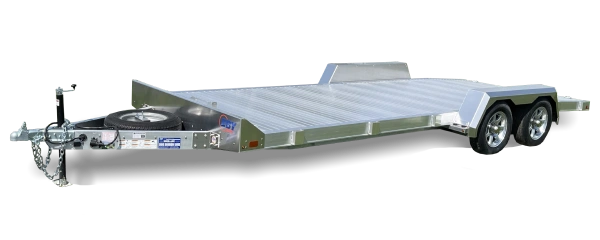
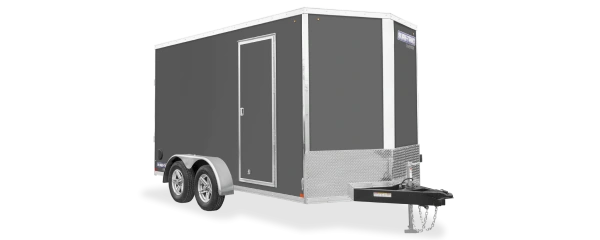
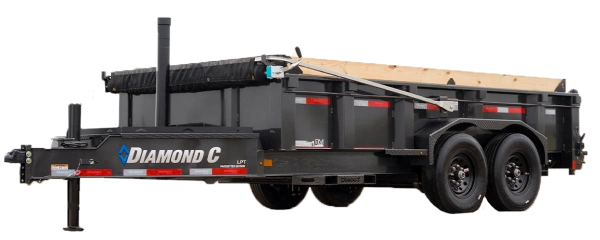
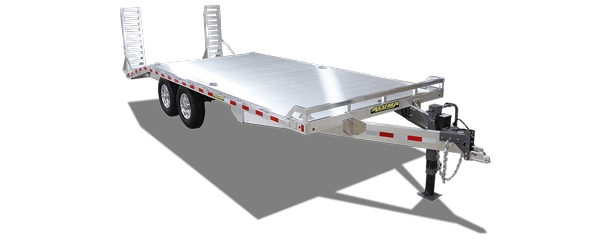
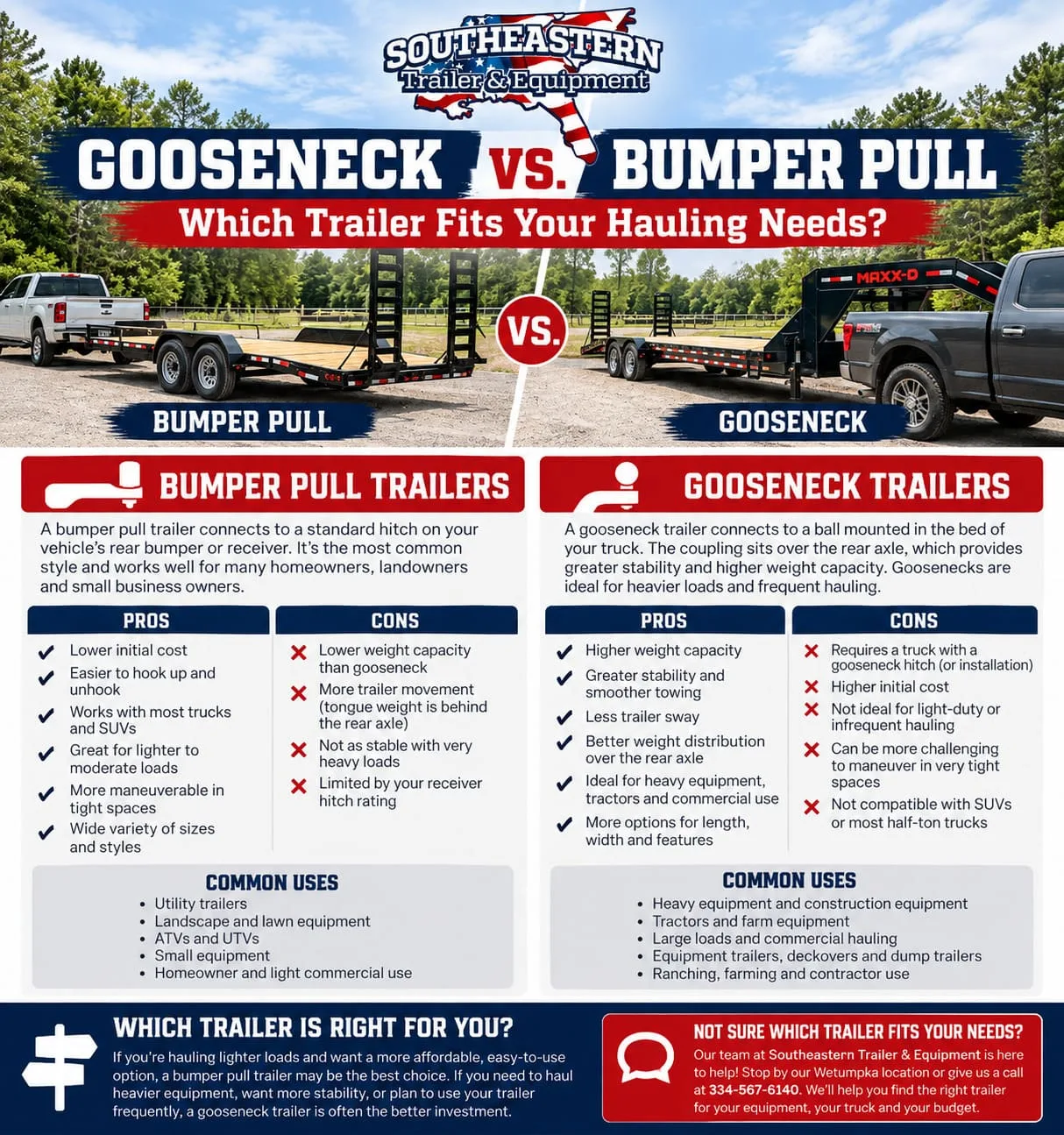
A bumper pull trailer, also commonly called a tag-along or receiver-hitch trailer, connects to a hitch at the rear of the tow vehicle.
Despite the name, most modern bumper pull trailers aren't actually attached directly to the bumper. They typically connect to a receiver hitch mounted to the vehicle's frame.
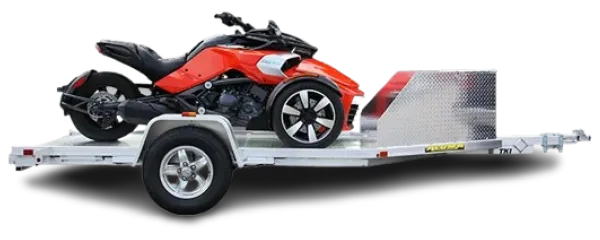
Bumper pull trailers are popular because they're straightforward, versatile, and available in many configurations, including:
- Utility trailers
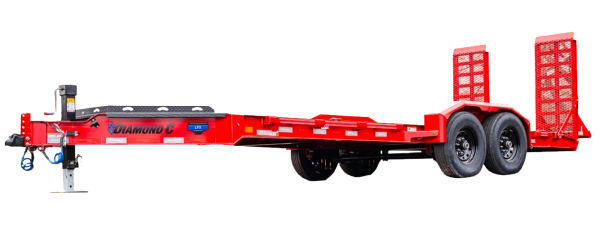
- Equipment trailers
- Dump trailers
- Car haulers
- Landscape trailers
- Enclosed trailers
For many homeowners, property owners, landscapers, and small contractors, a bumper pull provides all the trailer they need.
Pros of a Bumper Pull Trailer
Easier to Get Started
If your truck already has an appropriately rated receiver hitch, you may not need a specialized hitch installation.
That makes bumper pull trailers convenient for buyers who don't want to modify the bed of their truck.
Generally Lower Initial Cost
Comparable bumper pull trailers are often less expensive than larger gooseneck models. The towing setup may also cost less because you don't necessarily need an in-bed hitch.
More Tow-Vehicle Flexibility
Depending on trailer size and weight, bumper pull trailers can be used with a wider variety of properly rated tow vehicles.
That can be particularly useful if you don't own a heavy-duty pickup.
Good Maneuverability
A bumper pull can be a practical choice when you're working around homes, landscaping jobs, smaller properties, or other areas where space is limited.
Plenty of Choices
Bumper pulls are available in an enormous variety of sizes, GVWRs, axle configurations, deck styles, gates, ramps, and features.
For light-to-moderate hauling, there's a good chance you'll find a bumper pull that fits the job.
Cons of a Bumper Pull Trailer
The biggest limitation is capacity.
While there are heavy-duty bumper pull trailers available, buyers who regularly haul substantial loads may eventually reach the point where a gooseneck is the better setup.
Bumper pull trailers can also be more sensitive to proper loading and tongue weight. Poor load placement can negatively affect handling and contribute to trailer sway.
Your receiver hitch, hitch components, tow vehicle, trailer and tires must all be properly rated for the load.
What Is a Gooseneck Trailer?
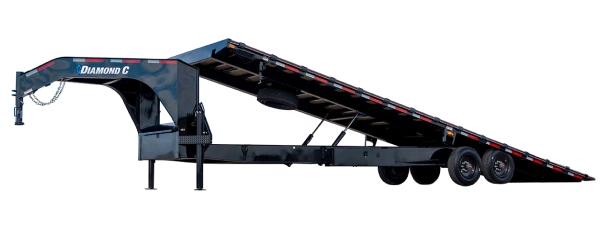
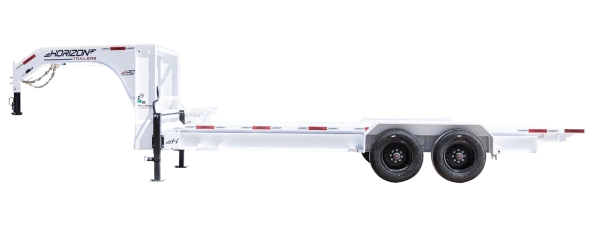
A gooseneck trailer extends forward over the truck's bed and connects to a hitch ball mounted in or above the bed, generally near the rear axle.
That connection point is one of the major differences between a gooseneck and bumper pull.
Instead of placing the trailer's tongue weight behind the truck, a properly configured gooseneck transfers its hitch load into the truck bed near the rear axle.
Goosenecks are commonly used for:
- Heavy equipment
- Tractors
- Construction equipment
- Farm equipment
- Large commercial loads
- Deckover trailers
- Heavy-duty dump trailers
- Longer equipment trailers
If you're hauling frequently or moving larger machinery, a gooseneck deserves serious consideration.
Pros of a Gooseneck Trailer
Higher-Capacity Options
Goosenecks are commonly available in heavier-duty configurations designed for substantial equipment and commercial applications.
That makes them popular with contractors, farmers, equipment operators, and other frequent haulers.
Stability
The hitch location can provide a stable towing platform when the truck, trailer, hitch and load are properly matched.
This can be particularly valuable with longer trailers and heavier loads.
Better Suited for Larger Equipment
Need to haul a tractor with attachments, construction equipment, or multiple pieces of machinery?
The additional length and capacity available in gooseneck configurations can make loading and balancing larger equipment easier.
Excellent for Frequent Commercial Use
If a trailer is an everyday part of your business rather than something you use several times a year, the benefits of a gooseneck may outweigh the additional cost.
Cons of a Gooseneck Trailer
You Need the Right Truck
A gooseneck requires a compatible pickup and properly rated in-bed hitch system.
You also need to pay close attention to the truck's payload capacity, not just its advertised towing capacity. The hitch weight carried by the truck counts against available payload.
Higher Initial Investment
The trailer itself may cost more, and a truck that isn't already equipped for gooseneck towing may require additional equipment.
Your Truck Bed Isn't Completely Free
Because the hitch is located in the bed, it can affect how you use your truck bed when the towing equipment is installed.
More Trailer Than Some Buyers Need
If you're hauling a zero-turn mower, ATV, lawn equipment, or making occasional trips to the hardware store, buying a heavy-duty gooseneck probably doesn't make sense.
More trailer isn't automatically better.
Gooseneck vs. Bumper Pull: Which Is Better for Different Uses?
Here's a simple way to start narrowing down your choice:
| Your Needs | Consider |
|---|---|
| Lawn and landscaping equipment | Bumper pull |
| Zero-turn mower | Bumper pull |
| ATV or smaller UTV | Bumper pull |
| Home and property projects | Bumper pull |
| Light-to-moderate equipment | Bumper pull |
| Compact tractor | Depends on total weight and configuration |
| Skid steer | Heavy-duty bumper pull or gooseneck, depending on load |
| Mini excavator | Heavy-duty bumper pull or gooseneck, depending on load |
| Larger tractor and attachments | Gooseneck |
| Heavy construction equipment | Gooseneck |
| Multiple pieces of equipment | Often gooseneck |
| Frequent commercial hauling | Often gooseneck |
| Farm and ranch use | Depends on equipment; often gooseneck for heavier loads |
These are starting points—not towing recommendations. The actual decision should always be based on the ratings and specifications of the specific truck, hitch, trailer and cargo.
Don't Choose Based on Trailer Length Alone
One of the biggest mistakes trailer buyers make is assuming that if their equipment physically fits on the trailer, they're good to go.
Size and capacity are two different things.
You need to know the trailer's GVWR and payload capacity.
GVWR—or Gross Vehicle Weight Rating—is the maximum allowable weight of the loaded trailer.
A simple way to understand payload is:
Trailer GVWR – Empty Trailer Weight = Available Payload Capacity
Your equipment, attachments, fuel, tools and anything else carried on the trailer contribute to the load.
For example, a tractor might fit easily on a particular trailer, but once you add a loader, bush hog, box blade or other attachments, you may exceed the trailer's available payload.
Your Tow Vehicle Matters Just as Much as Your Trailer
Don't choose a trailer first and worry about the truck later.
Your entire towing combination needs to work together.
Before purchasing, check your vehicle manufacturer's ratings and the specifications for your particular truck, including:
- Towing capacity
- Payload capacity
- Gross Vehicle Weight Rating (GVWR)
- Gross Combined Weight Rating (GCWR), when applicable
- Receiver or gooseneck hitch rating
- Axle ratings
- Tire ratings
Also remember that passengers, tools, fuel, equipment and other cargo carried in the truck can affect available payload.
The lowest-rated component of your towing setup can become the limiting factor.
Which Trailer Is Better for a Landscaper?
For many lawn-care and landscaping businesses, a bumper pull utility or equipment trailer is an excellent choice.
It's easy to use and can provide plenty of room for zero-turn mowers, blowers, trimmers and other equipment.
However, a growing landscaping or construction company may eventually need to move heavier equipment, attachments and materials. At that point, moving to a larger equipment trailer or gooseneck may make sense.
Think about where your business will be in two or three years—not just what you're hauling today.
Which Is Better for Farm and Tractor Use?
This depends heavily on the tractor.
A smaller compact tractor may work with an appropriately sized and rated bumper pull equipment trailer.
Larger tractors—or tractors carrying loaders, cutters and other attachments—can quickly require more deck length and payload capacity.
That's where a properly matched gooseneck equipment trailer can become especially useful.
Before choosing, determine the actual operating weight and overall dimensions of your tractor with the attachments you plan to transport.
Which Is Better for Contractors?
If you're hauling compact equipment occasionally, a properly rated bumper pull may be all you need.
If you're regularly hauling skid steers, mini excavators, attachments and other construction equipment, a gooseneck may provide the capacity and configuration that better suits your operation.
For a contractor, the question isn't simply:
“Which trailer costs less?”
A better question is:
“Which trailer will let me safely and efficiently move the equipment my business depends on?”
Bumper Pull or Gooseneck: The Bottom Line
Choose a bumper pull when you want a versatile, straightforward trailer for lighter-to-moderate loads and don't need the capacity or configuration of a gooseneck.
Consider a gooseneck when you're regularly hauling heavier equipment, need greater capacity or deck space, and have a properly equipped truck capable of handling the trailer.
And if you're somewhere in the middle, don't guess.
Let Southeastern Trailer & Equipment Help You Choose
At Southeastern Trailer & Equipment in Wetumpka, Alabama, we can help you compare bumper pull and gooseneck trailers based on what actually matters: your equipment, your truck, your workload and your budget.
Whether you're hauling a zero-turn mower, UTV, tractor, skid steer, mini excavator or other equipment, our team can help you determine the trailer size, GVWR and configuration that makes sense for the job.
Stop by Southeastern Trailer & Equipment in Wetumpka or call 334-567-6140 to talk with our team about the right trailer for your hauling needs.